 L2
L2思维·语言Theory
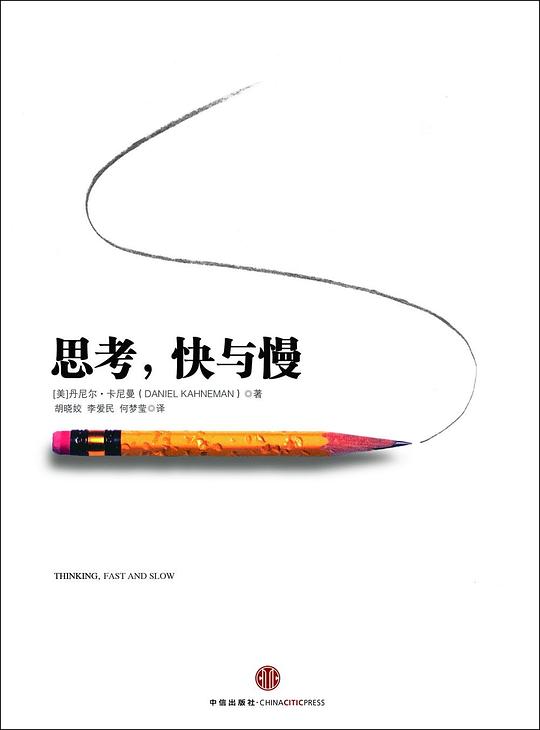
思考,快与慢
Thinking, Fast and Slow
by 丹尼尔·卡尼曼
系统1直觉、系统2慢思:识别认知偏差,对抗非理性决策。
Condensed read
Two tiers of condensed editions — 10-minute skim and 30-minute deep read, keeping the full outline and core ideas.
Buy on JD.com
Ordering on JD.com through this link supports the ongoing operation of this site. The link is distributed via the JD Alliance program; purchases earn a commission.
Core Concepts
系统1与系统2
直觉快速自动,理性缓慢费力,多数判断由系统1完成。
损失厌恶
损失带来的痛苦远大于等量收益带来的快乐。
锚定效应
先入为主的信息会拖拽后续判断。
可得性启发
容易想起的事被高估其发生概率。
框架效应
同一事实的不同表述方式改变选择。
Quotes from this book
“系统1先到,系统2后到;后到的人常常信任先到的结论。”
Source: 精简阅读·thinking-fast-slow
“我们对自己的无知往往比我们想象的还无知。”
Source: 精简阅读·thinking-fast-slow
“损失的痛苦大约是同等获得快乐的两倍。”
Source: 精简阅读·thinking-fast-slow
“记忆自我与经验自我不是同一个人,可我们常常弄混。”
Source: 精简阅读·thinking-fast-slow
“眼见即为事实:我们常常对没看到的证据漠不关心。”
Source: 精简阅读·thinking-fast-slow
“对确定性的过度自信,是无数灾难的共同源头。”
Source: 精简阅读·thinking-fast-slow
“改变表述的方式,就能改变人们的决策。”
Source: 精简阅读·thinking-fast-slow
“想让系统2认真起来,先让它感到意外与紧张。”
Source: 精简阅读·thinking-fast-slow